4. Gray or Dull Color: Oxidation or Aging
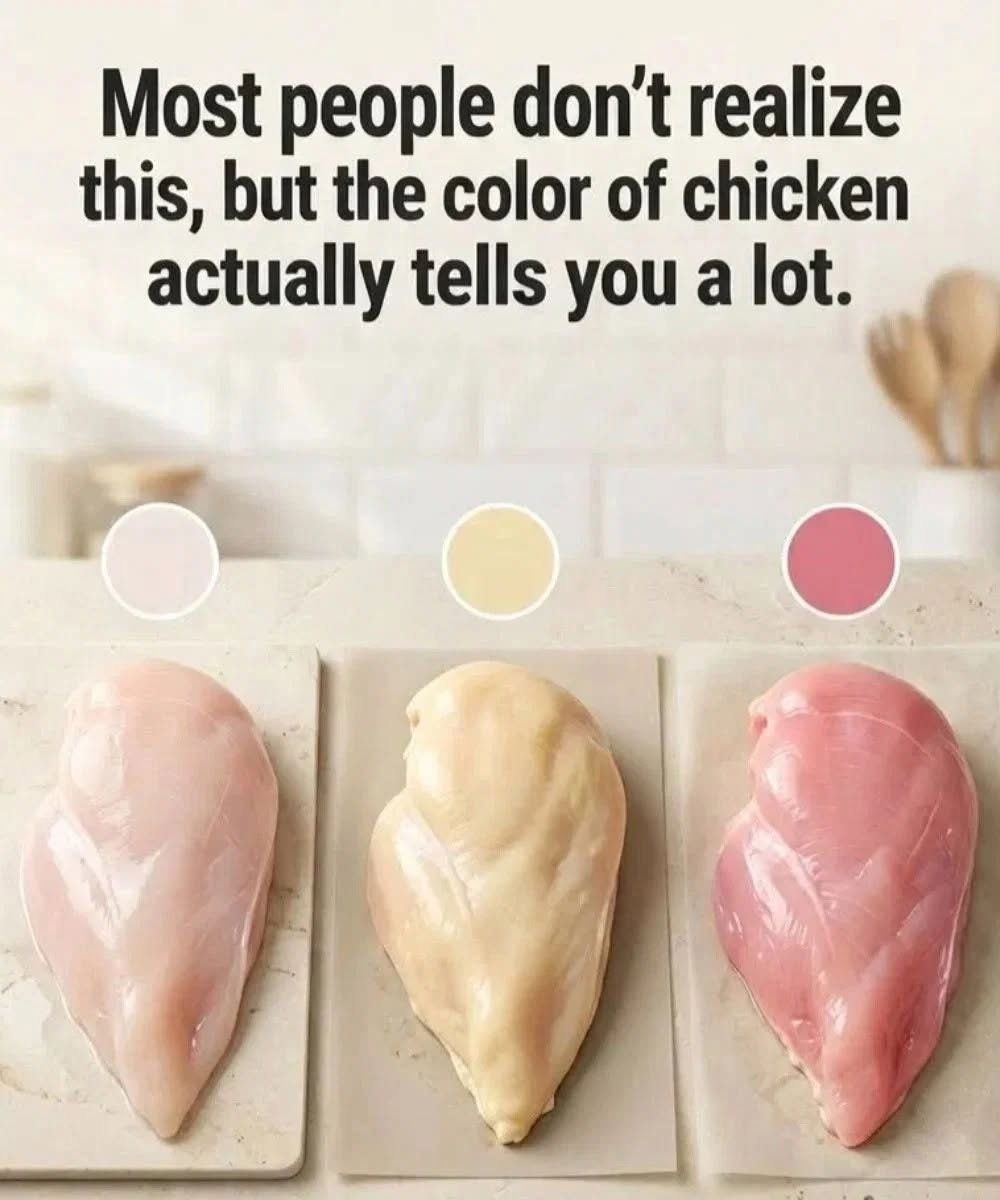
If raw chicken has a grayish or dull hue, it’s a sign that the meat has been exposed to oxygen for too long. This is called oxidation, and it’s similar to what happens when an apple turns brown after being cut.
What it means: Gray chicken is not necessarily spoiled, but it’s a sign that the meat is older. It may still be safe to eat if it’s within its use-by date and smells fine. However, it’s worth checking the expiration date and giving it a sniff test.
5. Greenish Tint: Spoilage or Bacterial Growth
If raw chicken has a greenish or dark discoloration, that’s a red flag. It can indicate bacterial growth, mold, or spoilage.
What it means: Do not eat chicken with a greenish tint. It’s likely spoiled and could cause foodborne illness. Throw it away immediately.
6. Dark Spots or Stripes: Freezer Burn or Processing Marks
If you see dark spots or stripes on raw chicken, it could be
Freezer burn – When chicken has been improperly frozen, the exposed areas can become dry and dark.
Processing marks – Small dark spots can occur from feather removal or minor bruising.
What it means: Freezer-burned chicken is safe to eat but may have a dry, tough texture. Cut away the affected areas before cooking.
What About the Color of Cooked Chicken?
The color of cooked chicken is also an important indicator of doneness and safety.
White and Opaque: Properly Cooked
Fully cooked chicken should be white and opaque throughout, with no pink in the center. The juices should run clear.
Pink or Reddish Near the Bone: Not Necessarily Undercooked
In some cases, cooked chicken may have a pinkish tint near the bone, especially in younger birds. This is often due to pigments in the bone marrow and is not a sign of undercooking—as long as the internal temperature has reached 165°F.
Gray or Dry: Overcooked
If cooked chicken is gray or dry, it’s been overcooked. It may still be safe to eat, but the texture and flavor will be compromised.
How to Choose Safe, Fresh Chicken
Beyond color, here are the most reliable ways to choose safe, high-quality chicken:
1. Check the Use-By Date
Always check the “sell by” or “use by” date on the package. Choose the furthest date available.
2. Look for Firm, Moist Meat
Fresh chicken should be firm to the touch and slightly moist—not sticky, slimy, or dry.
3. Smell It
Fresh raw chicken should have little to no odor. A sour, ammonia-like, or “off” smell is a sign of spoilage.
4. Check the Packaging
The packaging should be intact, with no tears or excessive liquid. If there’s a lot of liquid in the package, the chicken may have been mishandled or is past its prime.
5. Consider the Source
If possible, buy chicken from a trusted source. Pasture-raised, organic, or locally sourced chicken often has better quality and flavor.
What the Viral Post Won’t Tell You
The posts that say “the color of chicken actually tells you a lot” are right to raise awareness—but they often oversimplify or omit key details. Here’s what they rarely include:
Color alone is not a reliable indicator of safety. You also need to check the smell, texture, and expiration date.
Some color variations are completely normal. A yellowish tint or deep pink color does not mean the chicken is spoiled.
Color can change due to freezing. If chicken has been frozen and thawed, it may appear paler or have dark spots.
The most important factor is temperature. Always cook chicken to an internal temperature of 165°F, regardless of its raw color.
Safe Handling and Cooking Tips
To ensure your chicken is safe to eat, follow these guidelines:
Storage:
Store raw chicken in the coldest part of your refrigerator (below 40°F).
Use or freeze within 1–2 days of purchase.
Keep raw chicken separate from other foods to avoid cross-contamination.
Preparation:
Wash your hands, utensils, and cutting boards with soap and hot water after handling raw chicken.
Do not rinse raw chicken—it can spread bacteria around your kitchen.
Cooking:
Cook chicken to an internal temperature of 165°F. Use a meat thermometer to be sure.
Let the chicken rest for a few minutes before cutting to allow juices to redistribute.
The Bottom Line
The color of raw chicken can tell you a lot—about the bird’s diet, age, handling, and freshness. But it’s not the only factor. A pale pinkish-white color is normal and indicates good-quality chicken. A yellowish tint can be a sign of a natural, varied diet. Grayish spots may indicate oxidation, while greenish discoloration is a clear sign of spoilage.
But don’t rely on color alone. Always check the use-by date, smell the meat, examine the texture, and cook it to the proper temperature. And if you ever have doubts, remember the golden rule: when in doubt, throw it out.
So the next time you see a post about chicken color, you’ll know exactly what it means—and what to do with that knowledge. Because informed choices in the kitchen lead to better meals, better health, and peace of mind.
For Complete Cooking STEPS Please Head On Over To Next Page Or Open button (>)
Doctors Reveal That Eating Eggs in the Morning Causes… A Welcome Change in Health Advice

You can also clean tarnished jewelry perfectly at home

I lost 10 kg in a month without dieting! My slimming soup recipe, day and night
Marinated cucumber salad
Are You Able To Answer These Tricky Questions